





Brown biotechnology is the branch of biotechnology focused on arid and desert regions. It applies biological knowledge and technology to improve drylands, poor soils and environments with very limited water resources.
Its importance is growing because climate pressure, water scarcity and desertification are turning arid-land resilience into a global challenge. Brown biotechnology aims to make these environments more productive and more sustainable without ignoring the natural limits of the ecosystem.
Brown biotechnology uses biology to help life, agriculture and ecological recovery persist under dry and extreme conditions.
What is brown biotechnology?
Brown biotechnology is a biotechnology field specialized in dry, semi-arid and desert environments. It focuses on improving how life can grow, recover or remain productive in places where water is scarce, soils are poor and environmental stress is high.
It is closely related to green biotechnology, but with a much stronger focus on arid-land conditions. That means drought tolerance, salinity resistance, soil restoration and efficient use of limited natural resources become central priorities.
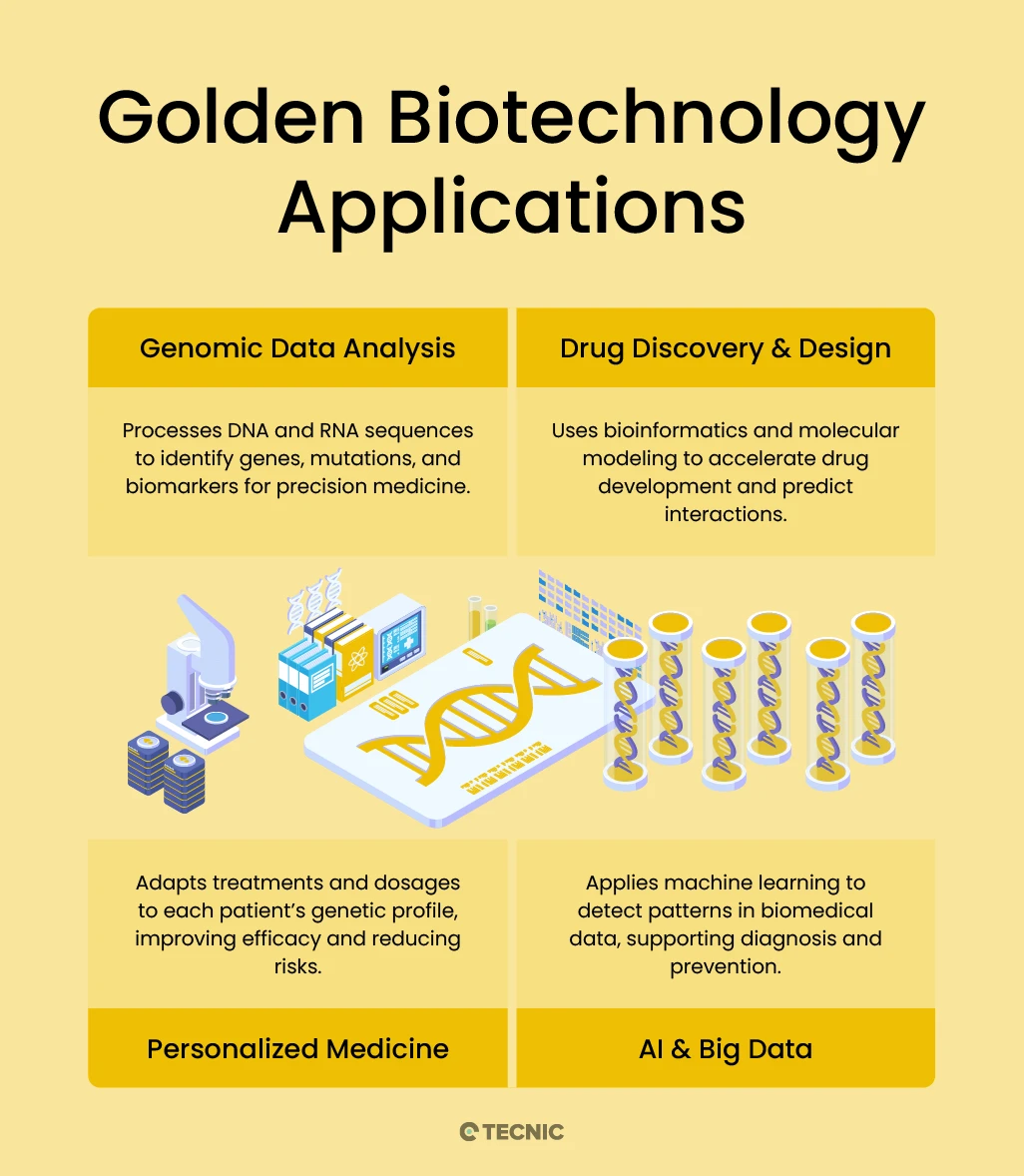
Brown biotechnology is not only about deserts, it is about building biological resilience where environmental pressure is high.
Why brown biotechnology matters in arid lands
It matters because large parts of the world already face drought, degraded soils and advancing desertification. As climate change intensifies these conditions, more communities depend on technologies that can maintain agriculture, restore ecosystems and protect food security under stress.
Dry regions need crops, organisms and systems that can work with very limited water.
Many arid areas need restoration strategies before productive use becomes realistic again.
Resilient agriculture matters most where rainfall is unstable and traditional crops fail easily.
Brown biotechnology helps regions prepare for harsher environmental conditions over time.
Main applications of brown biotechnology
Brown biotechnology translates into practical solutions for agriculture and ecosystem management in dry regions. Its main value lies in making harsh environments more usable without ignoring their limits.
Drought-tolerant crops
Includes improved crop varieties and stress-adapted plants that can survive with low water input and difficult soil conditions.
Biofertilizers and soil recovery
Includes beneficial microorganisms and ecological restoration strategies that improve fertility and help plants establish in degraded land.
Brown biotechnology is most useful when it connects crop resilience, soil improvement and water efficiency in one strategy.
Brown biotechnology and desertification
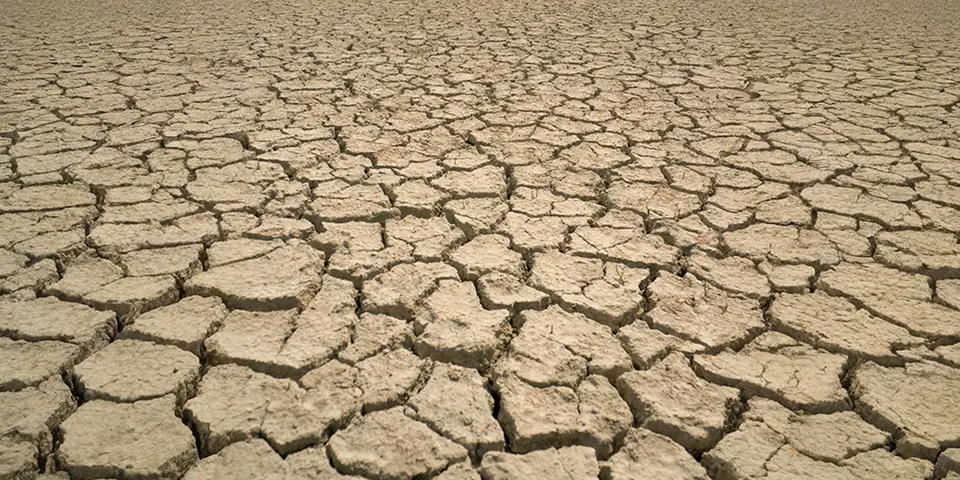
Desertification is the progressive degradation of fertile land into increasingly barren and unproductive terrain. It is driven by drought, climate change, deforestation, overgrazing, unsustainable farming and overuse of water resources.
Brown biotechnology becomes highly relevant here because it offers biological tools that can slow degradation, improve soil stability and support recovery in areas that are already under severe environmental pressure.
Resilient organisms in dry ecosystems
One of the most important sources of inspiration in brown biotechnology is nature itself. Plants, fungi and microorganisms from arid lands often already contain the survival strategies that scientists want to understand and apply.
These plants survive drought through deep roots, reduced leaves or strong water-retention mechanisms.
These species tolerate saline soils that would stress or kill many conventional crops.
Bacteria and fungi in arid soils can support nutrient use, water retention and plant establishment.
Some microorganisms help stabilize soil surfaces and reduce erosion in exposed drylands.
Brown biotechnology often works best when it learns from desert ecosystems rather than trying to impose conventional agricultural logic on them.
How TECNIC fits this workflow
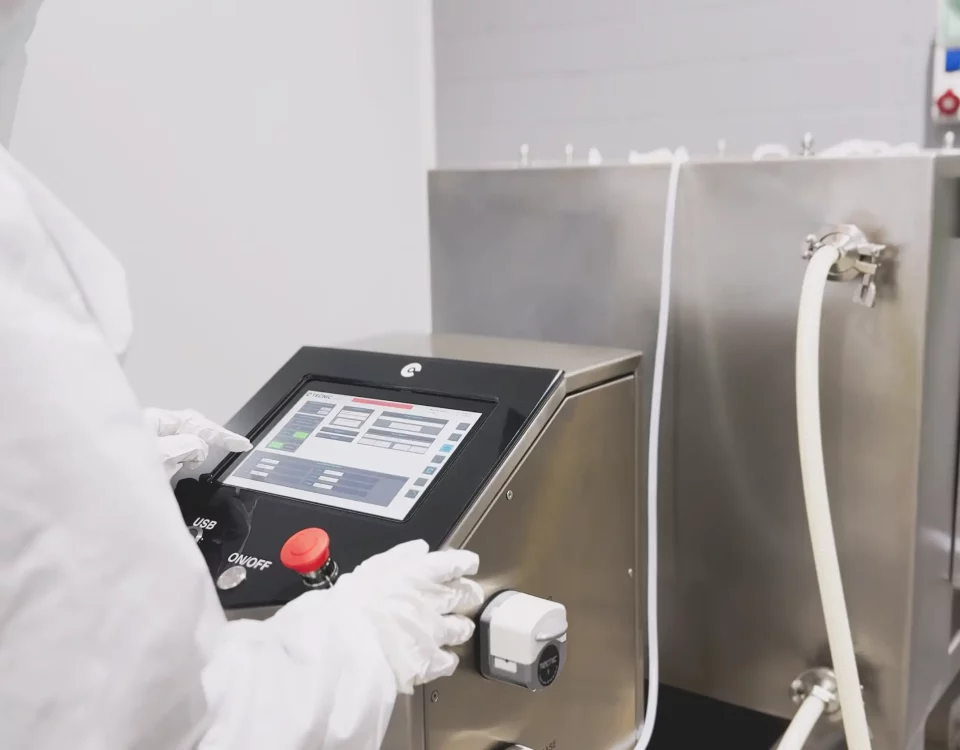
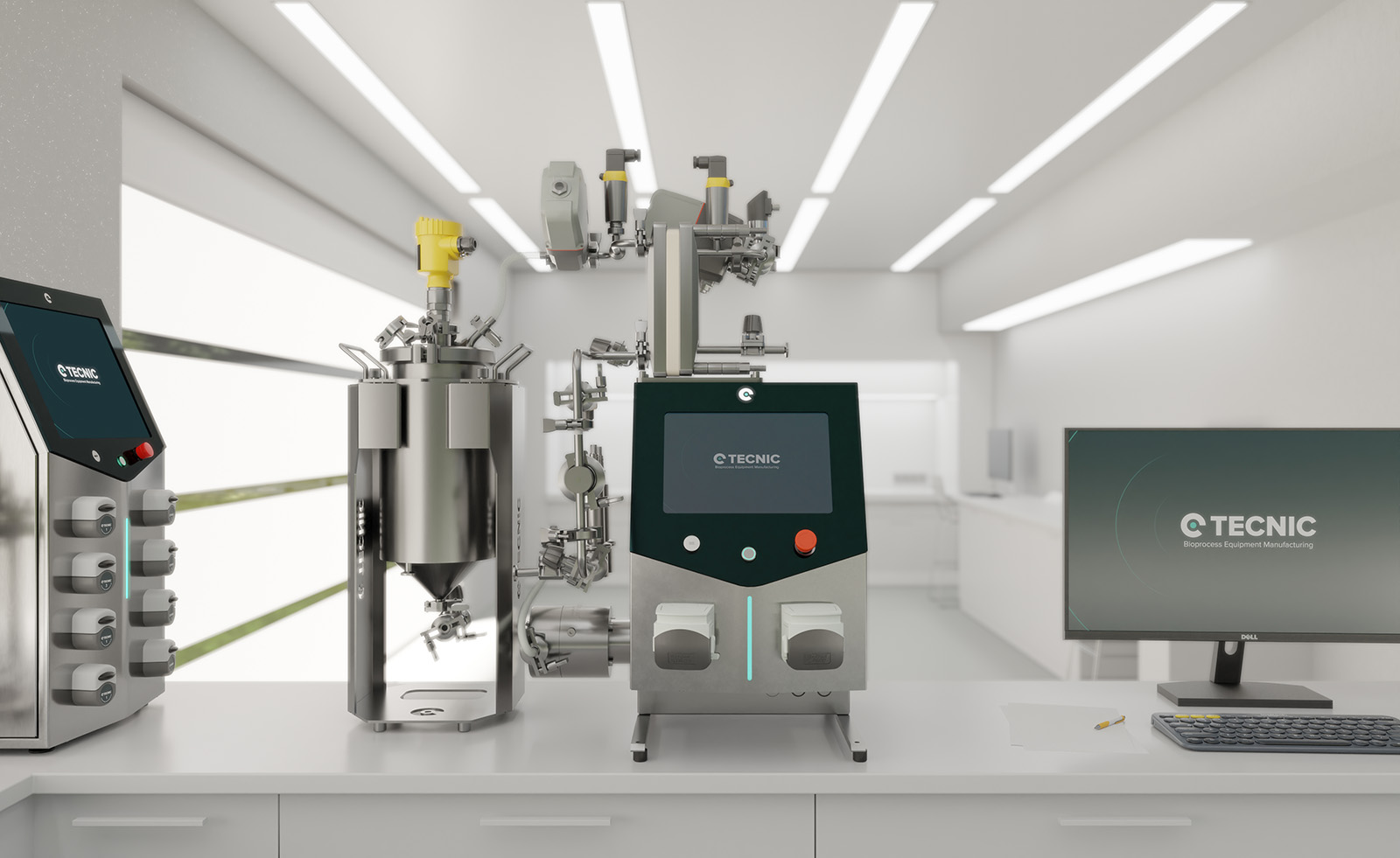
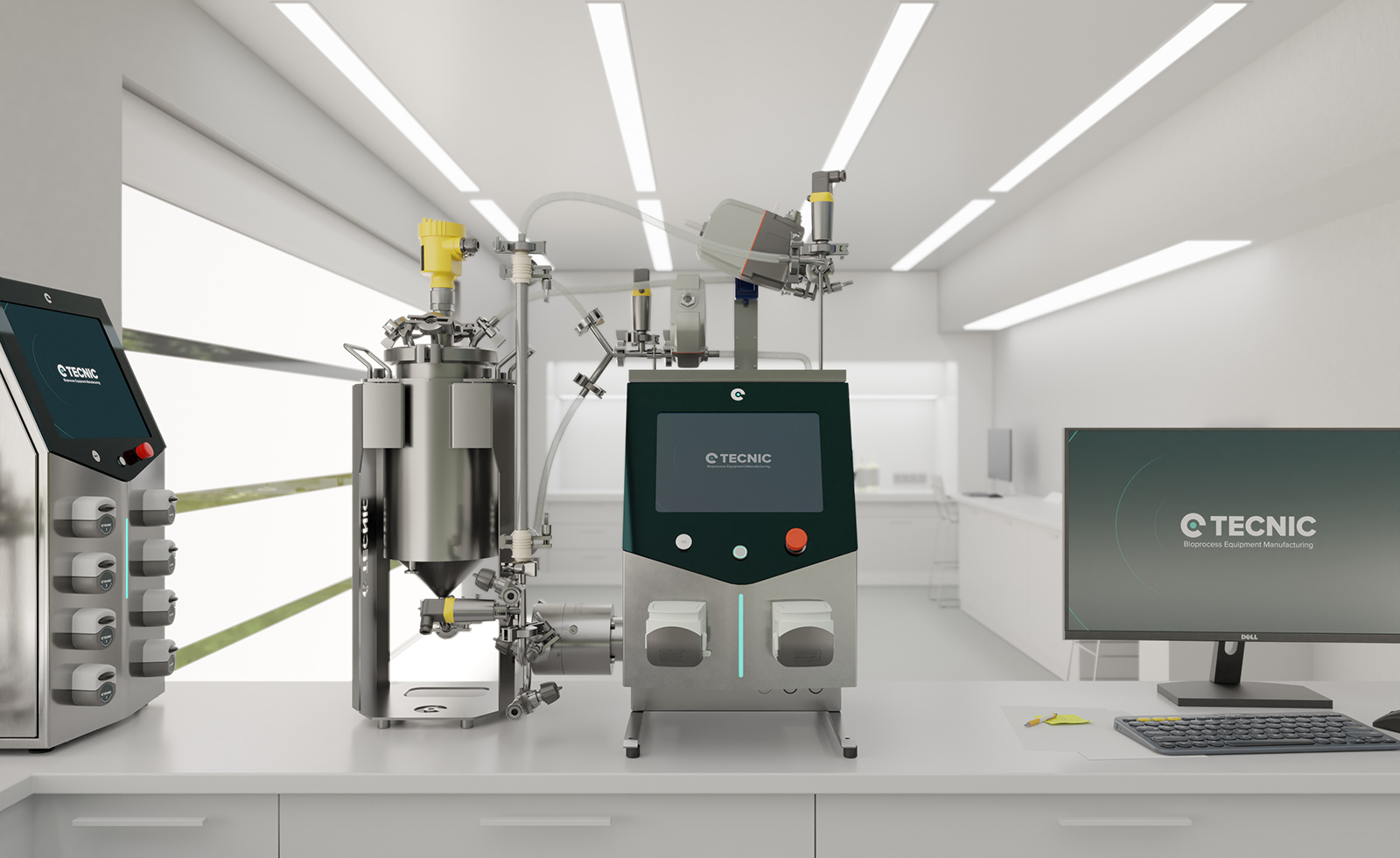
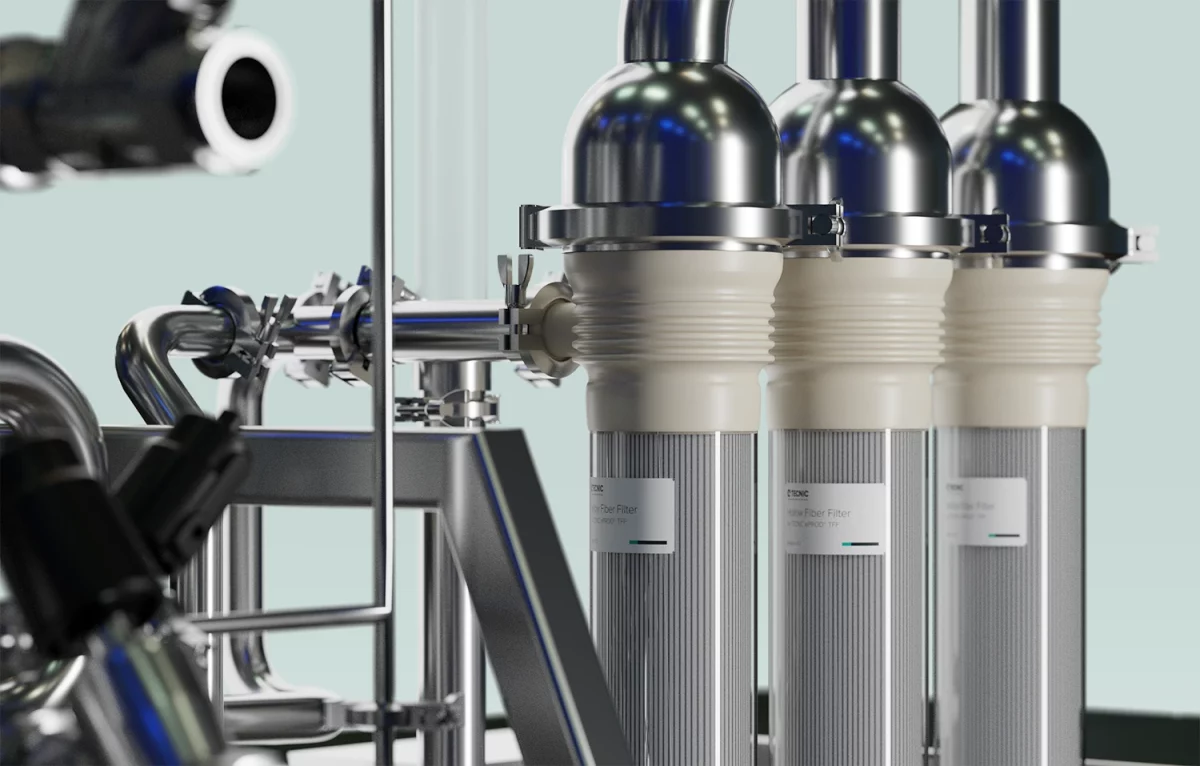
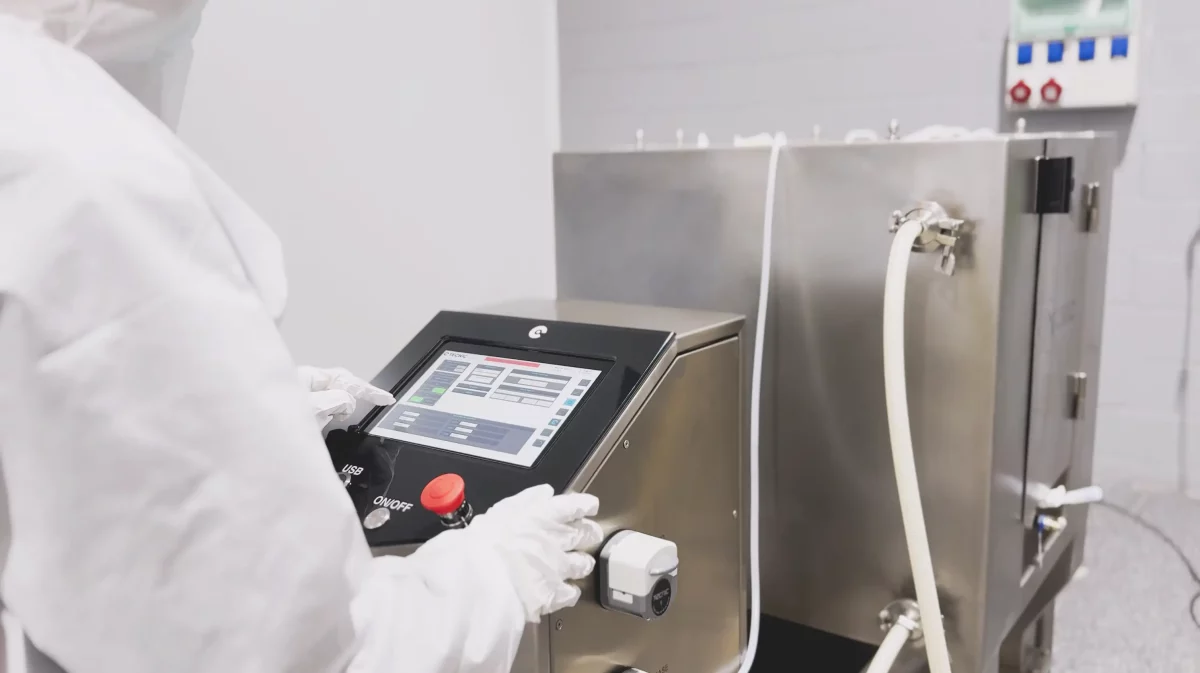
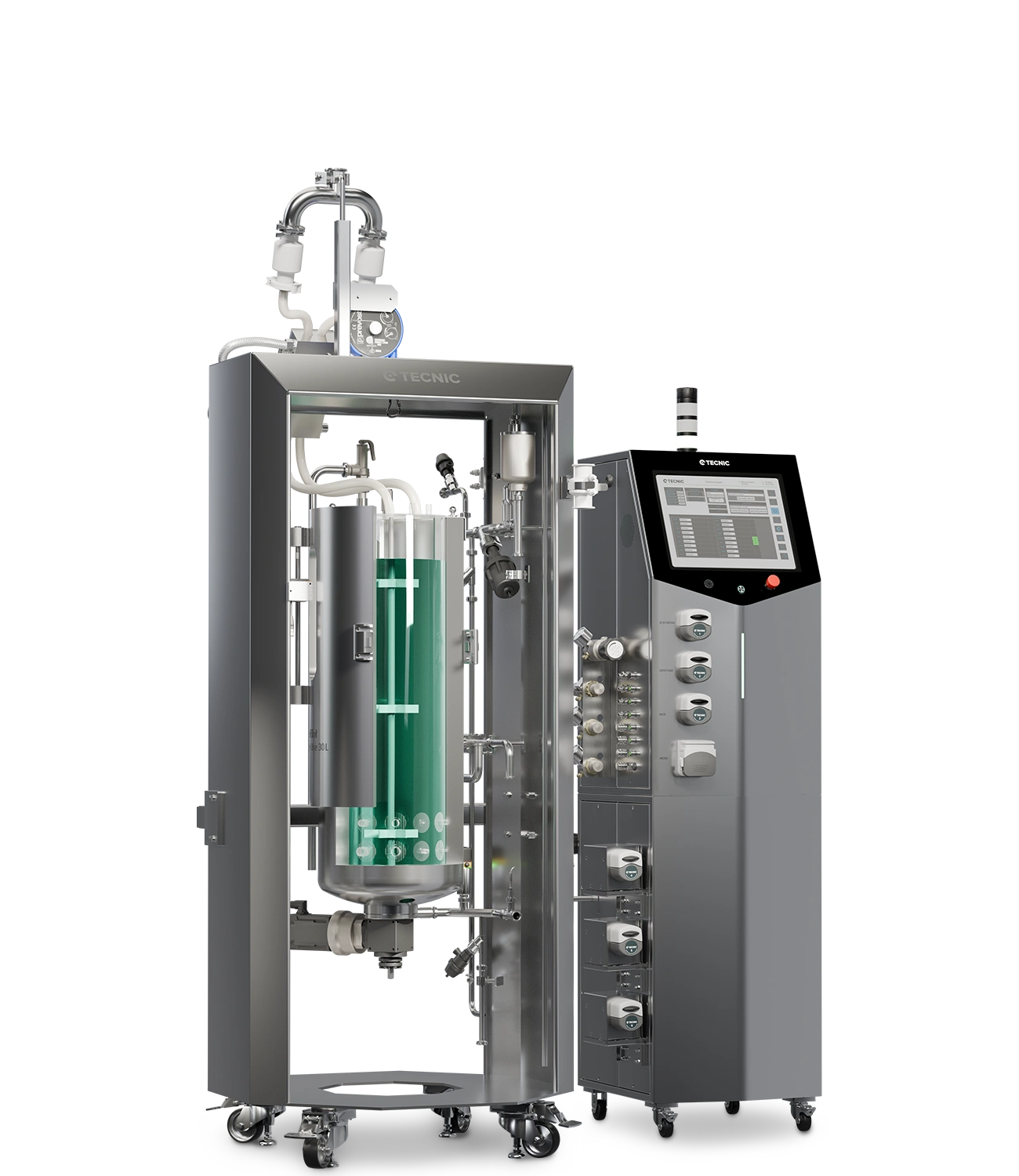
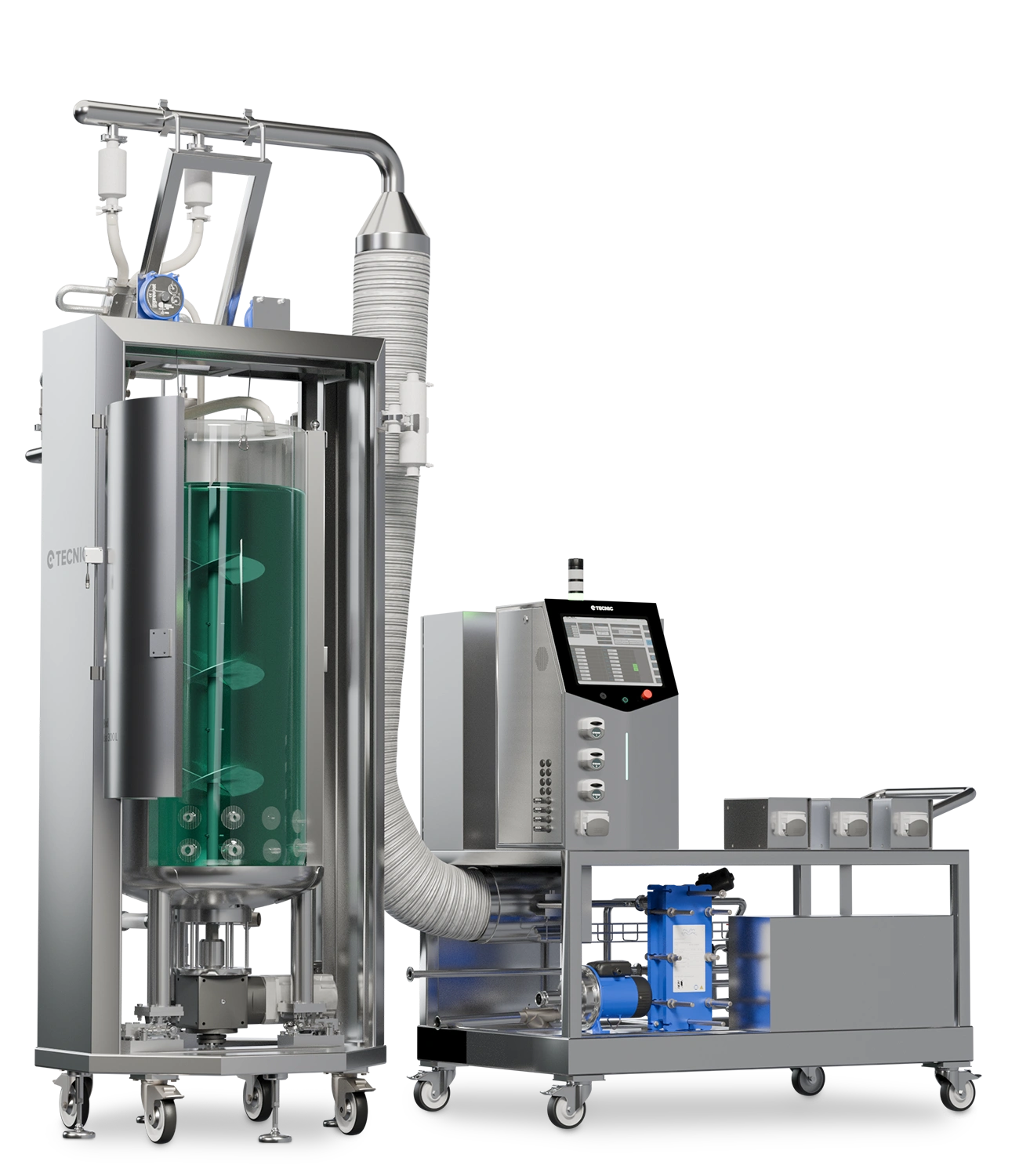
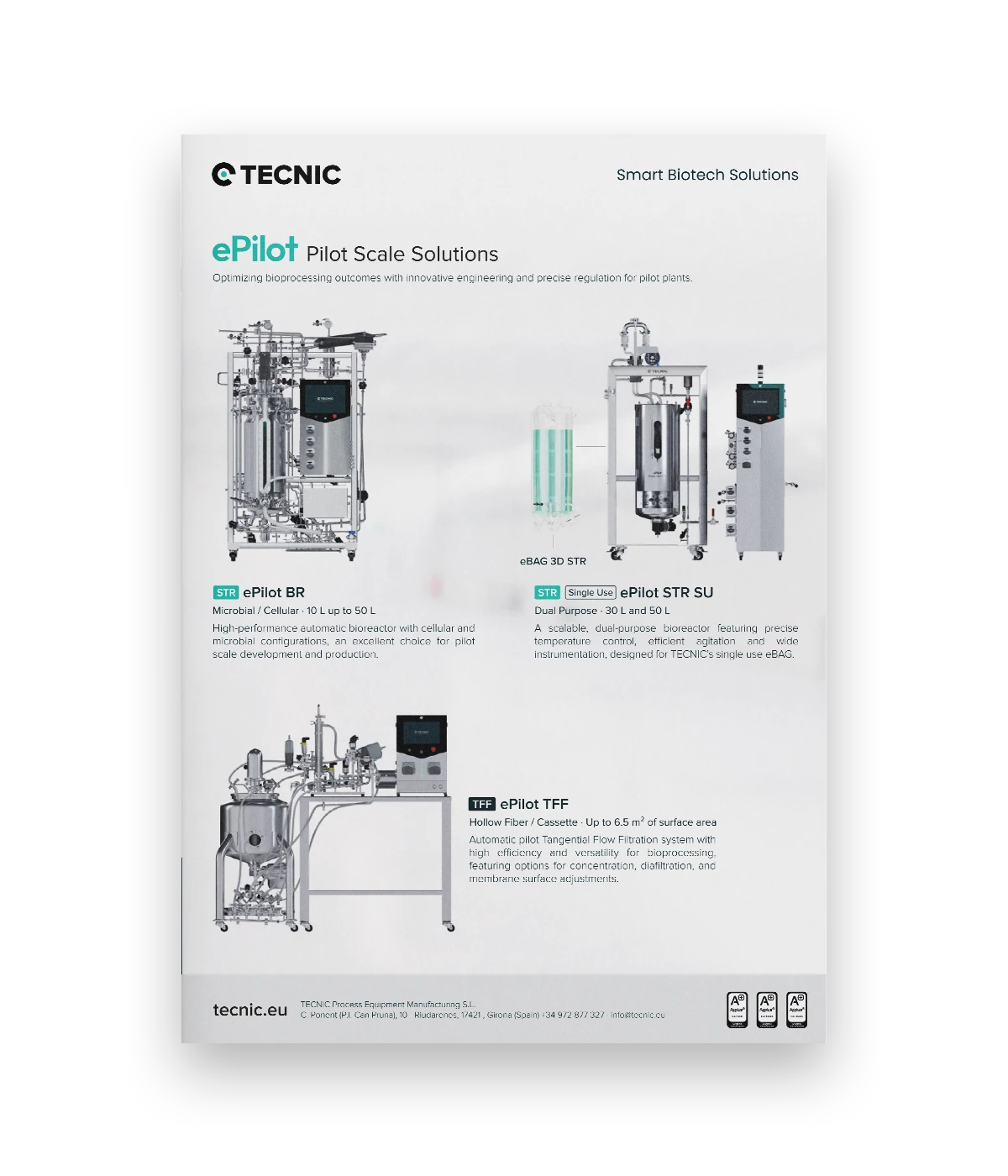
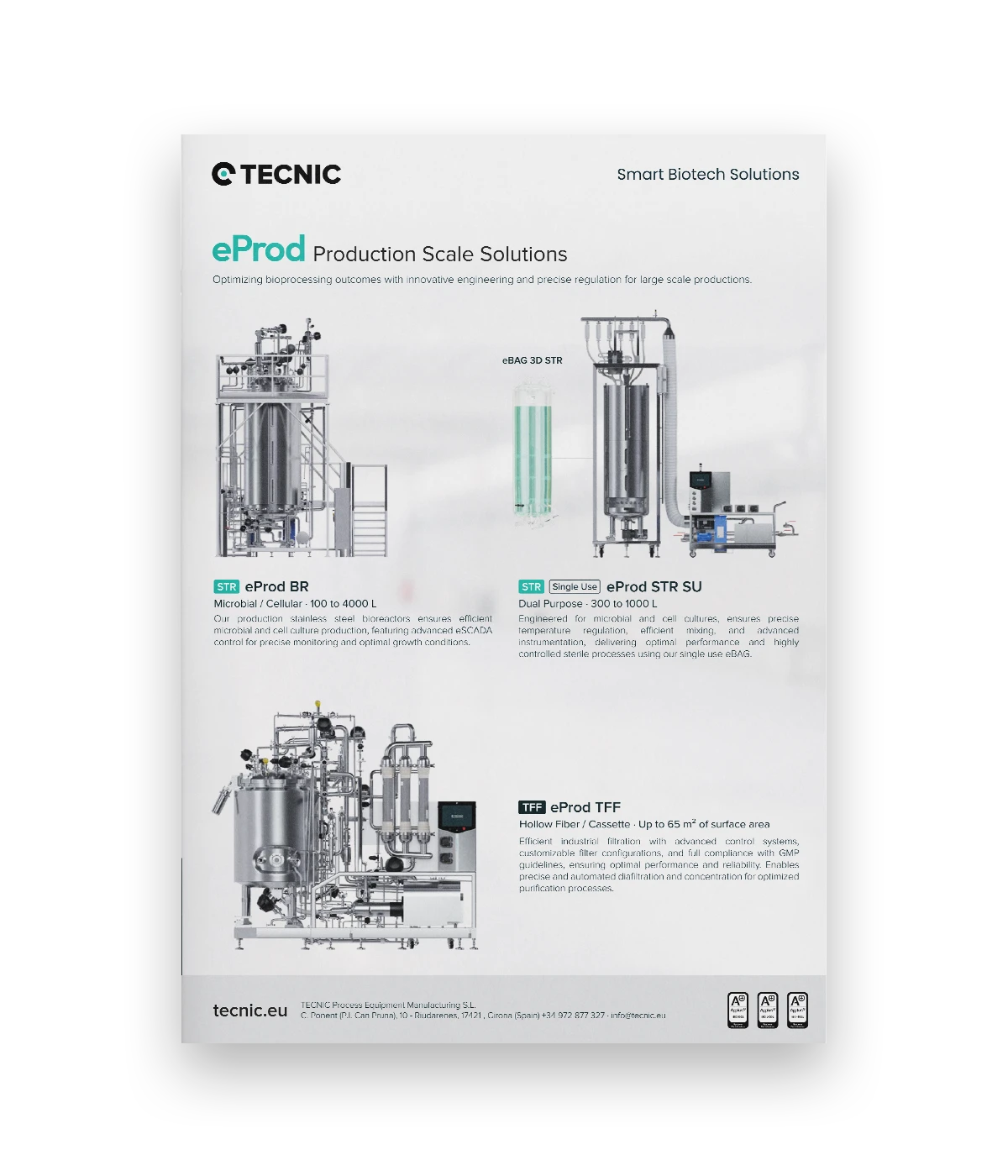
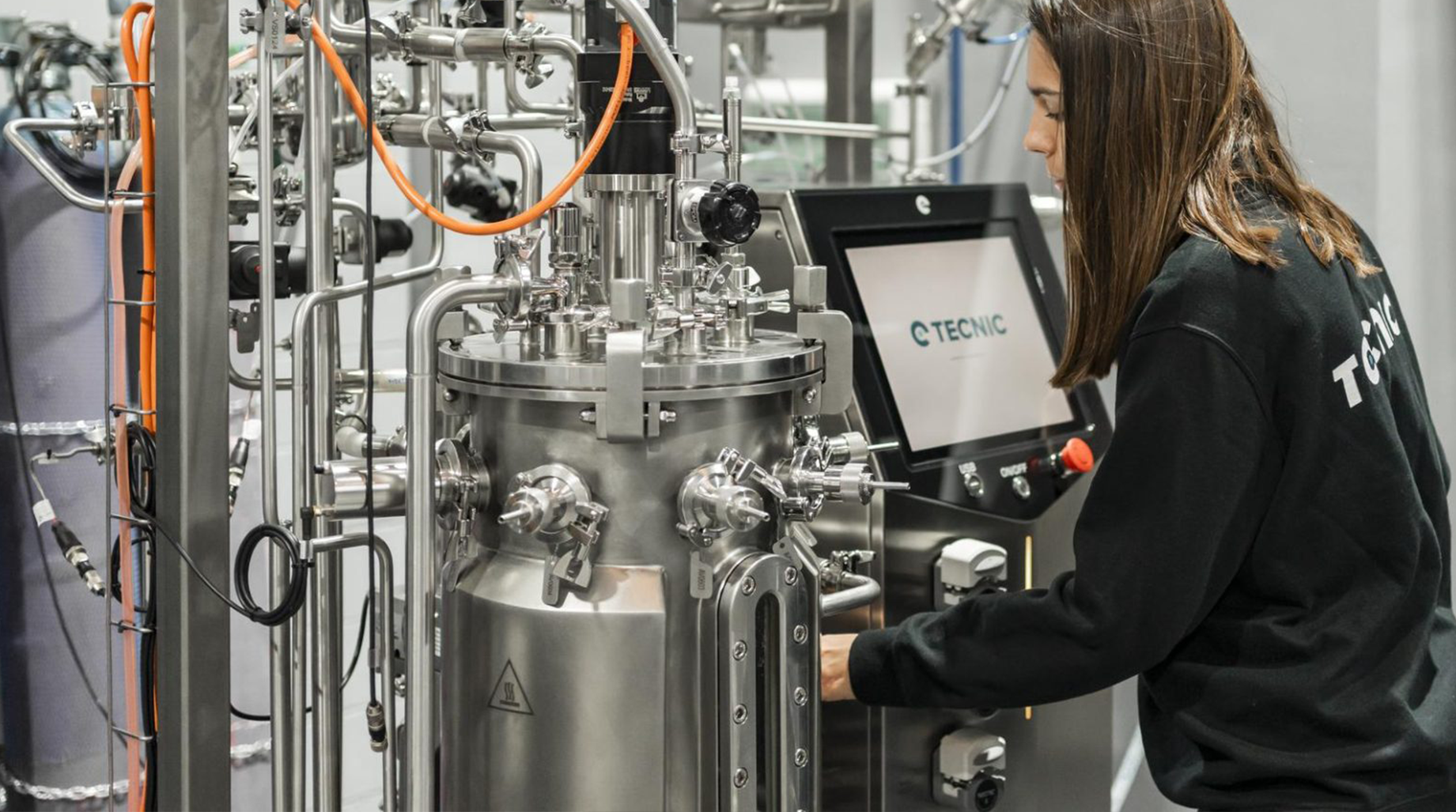
TECNIC fits this topic from the broader angle of controlled biotechnology and process development. Even in fields such as arid-land biotechnology, the move from biological idea to real application often depends on reproducible systems, laboratory development and scalable bioprocess logic.
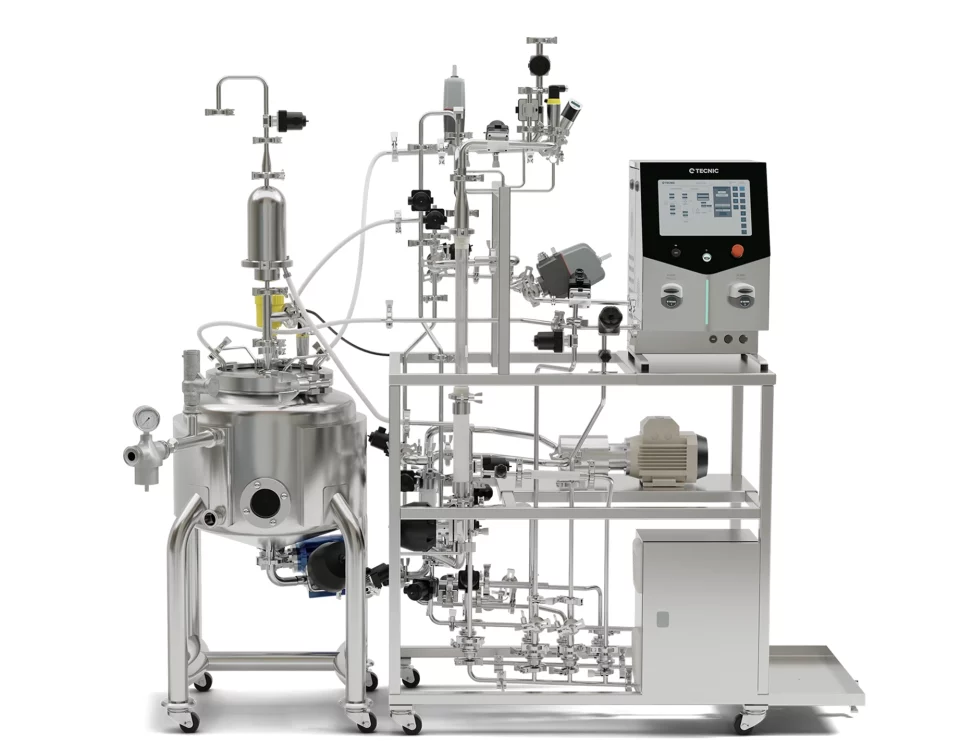
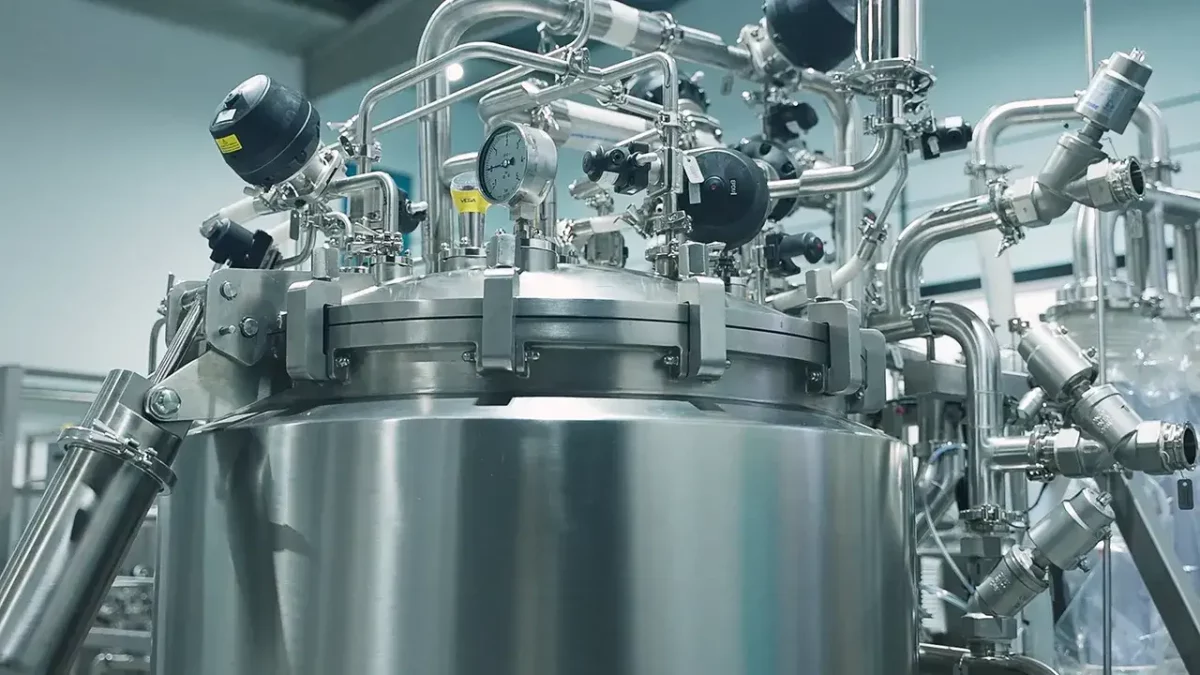
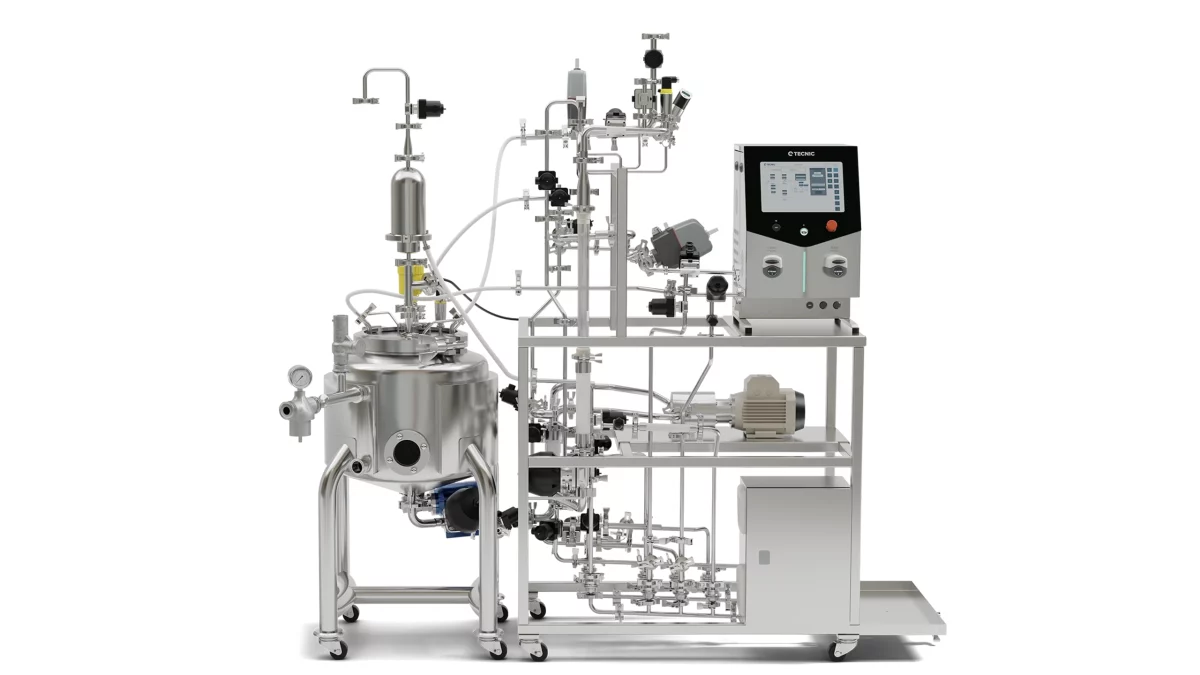
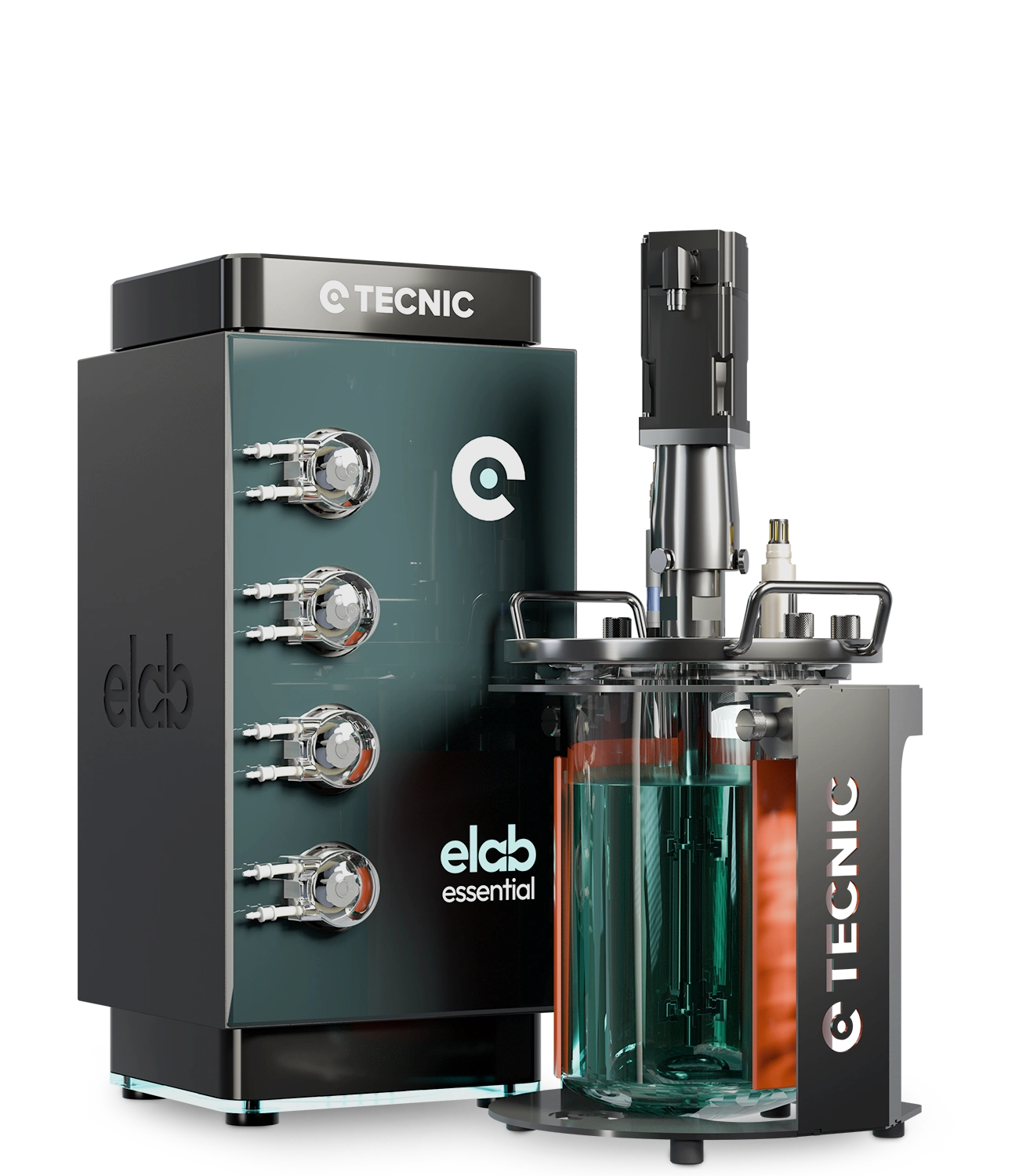
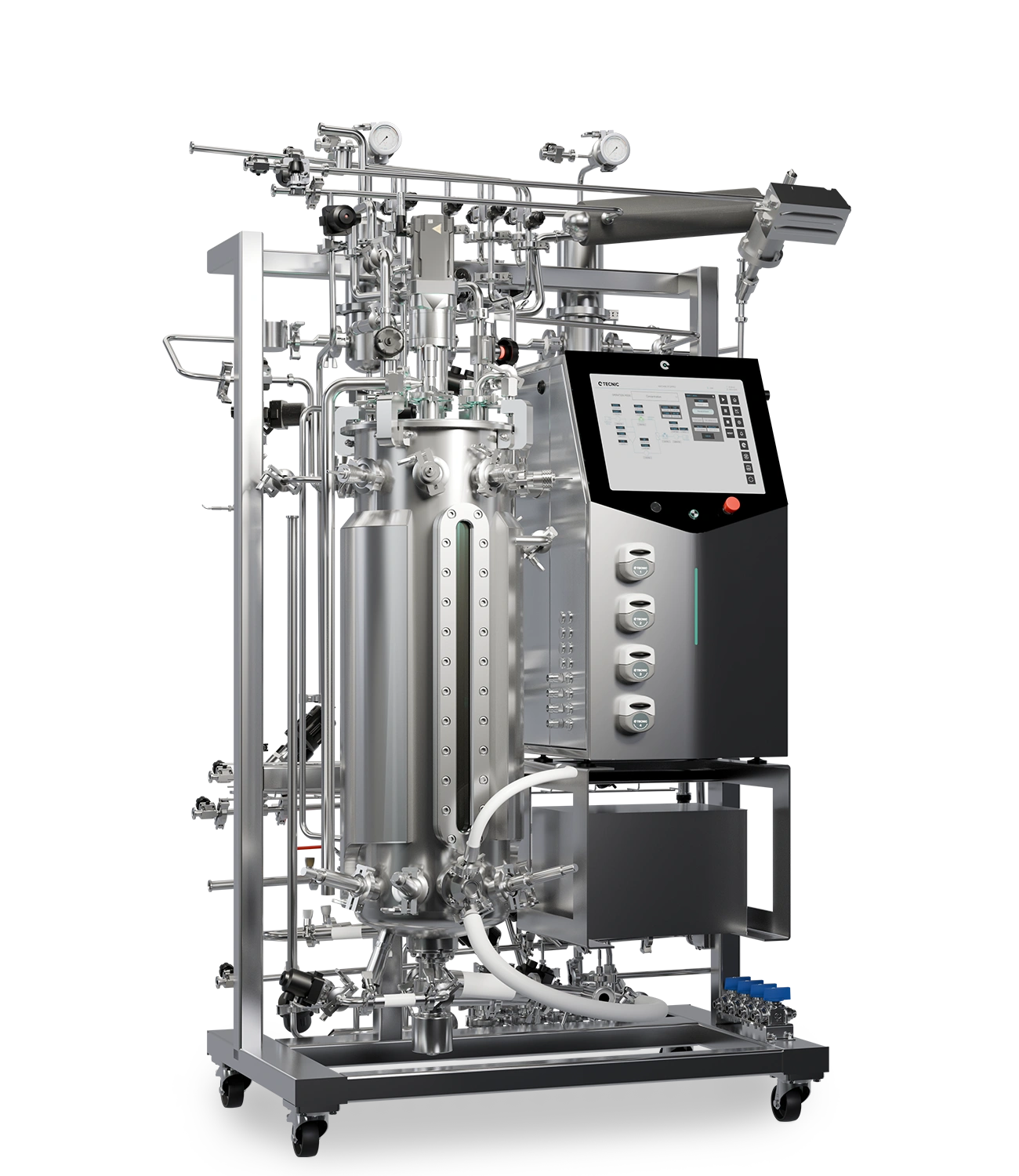
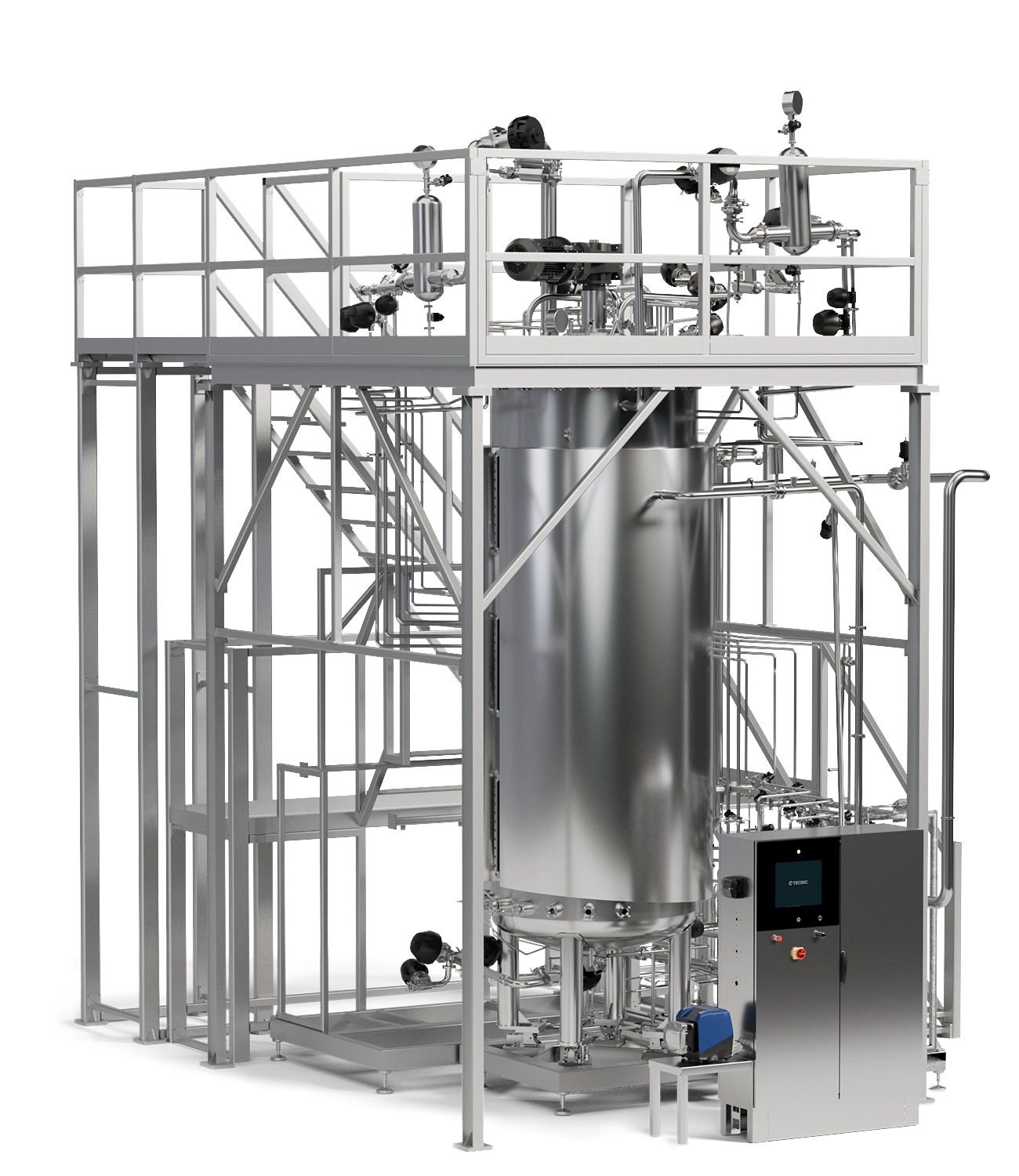
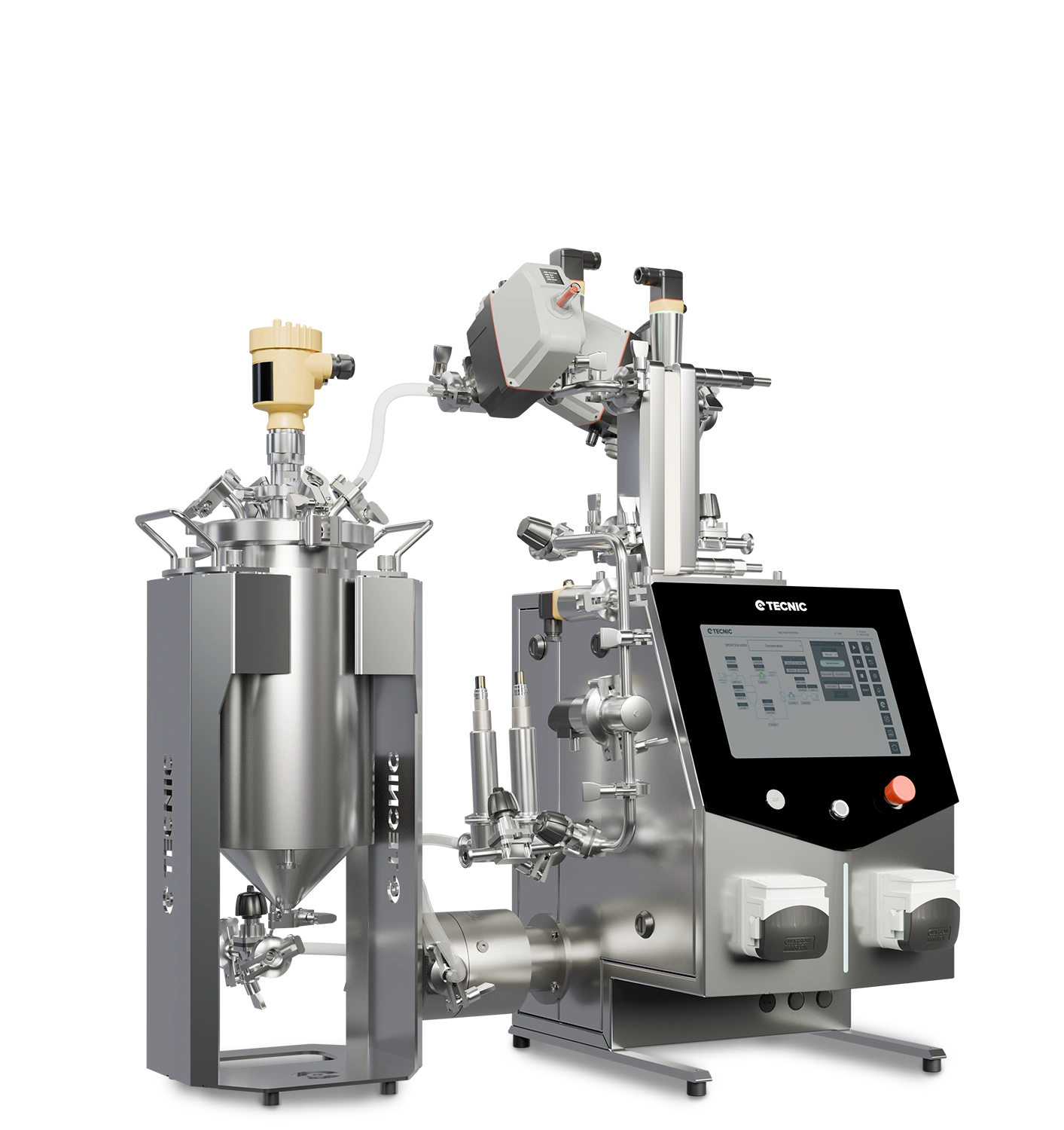
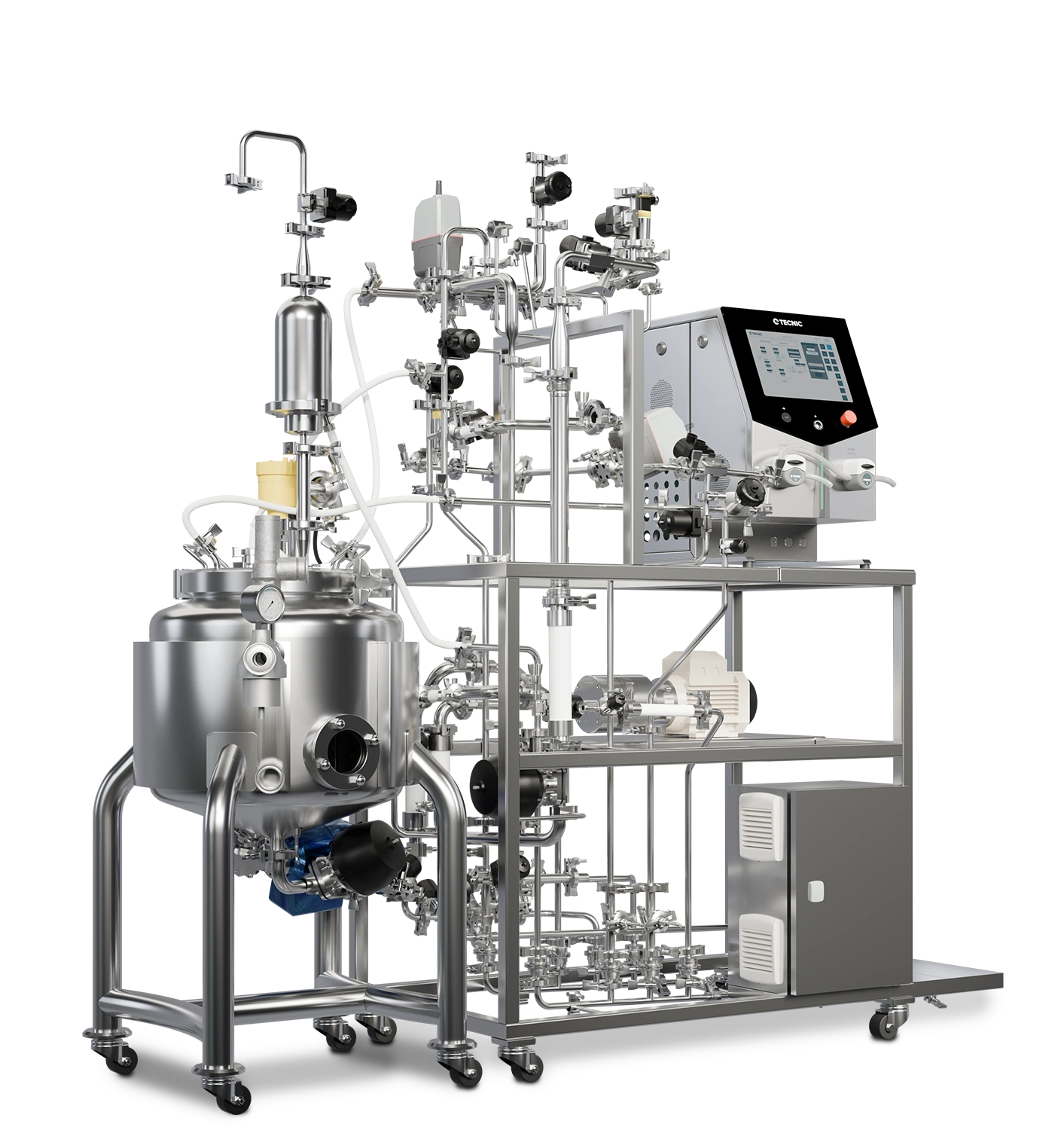
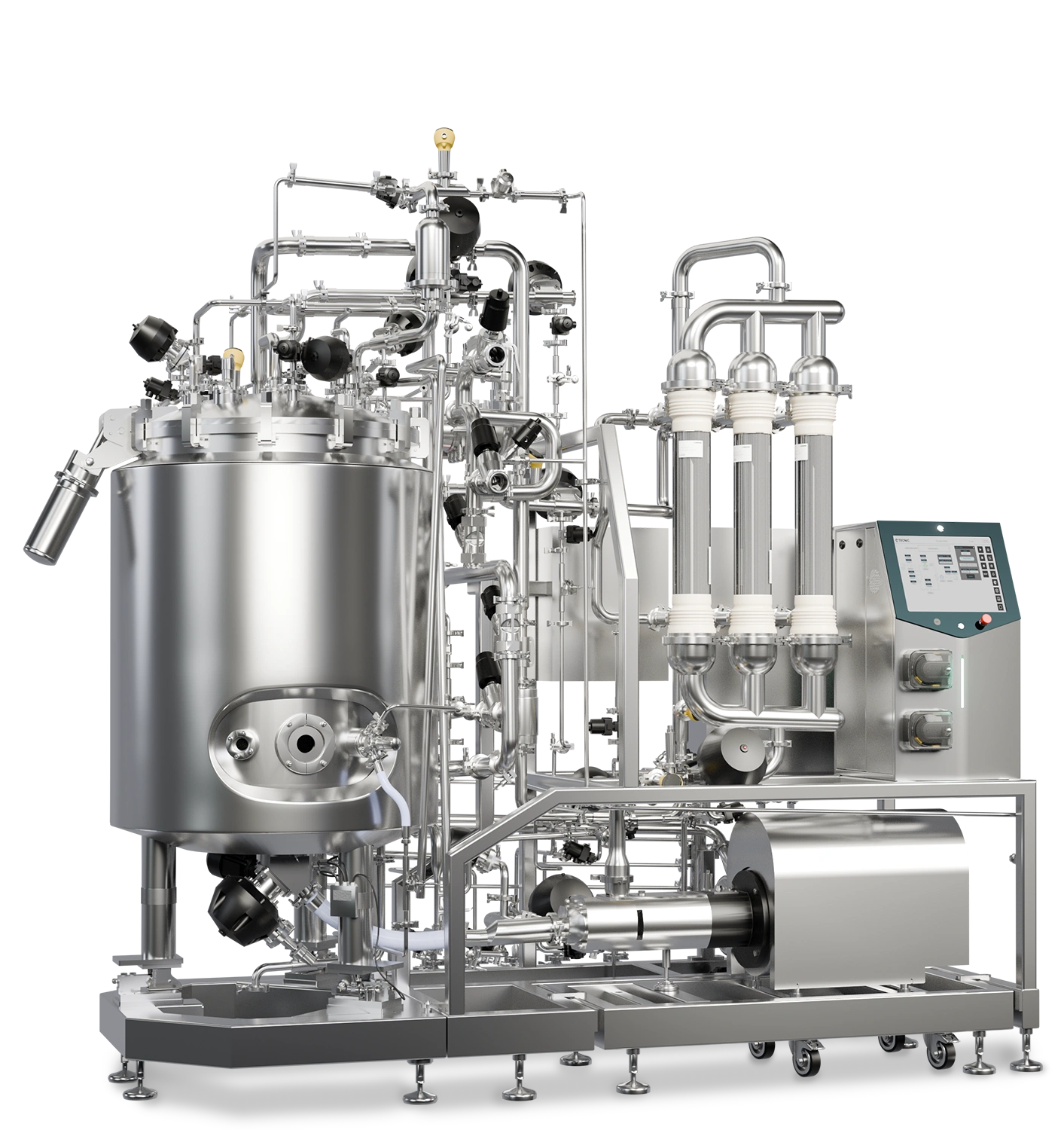
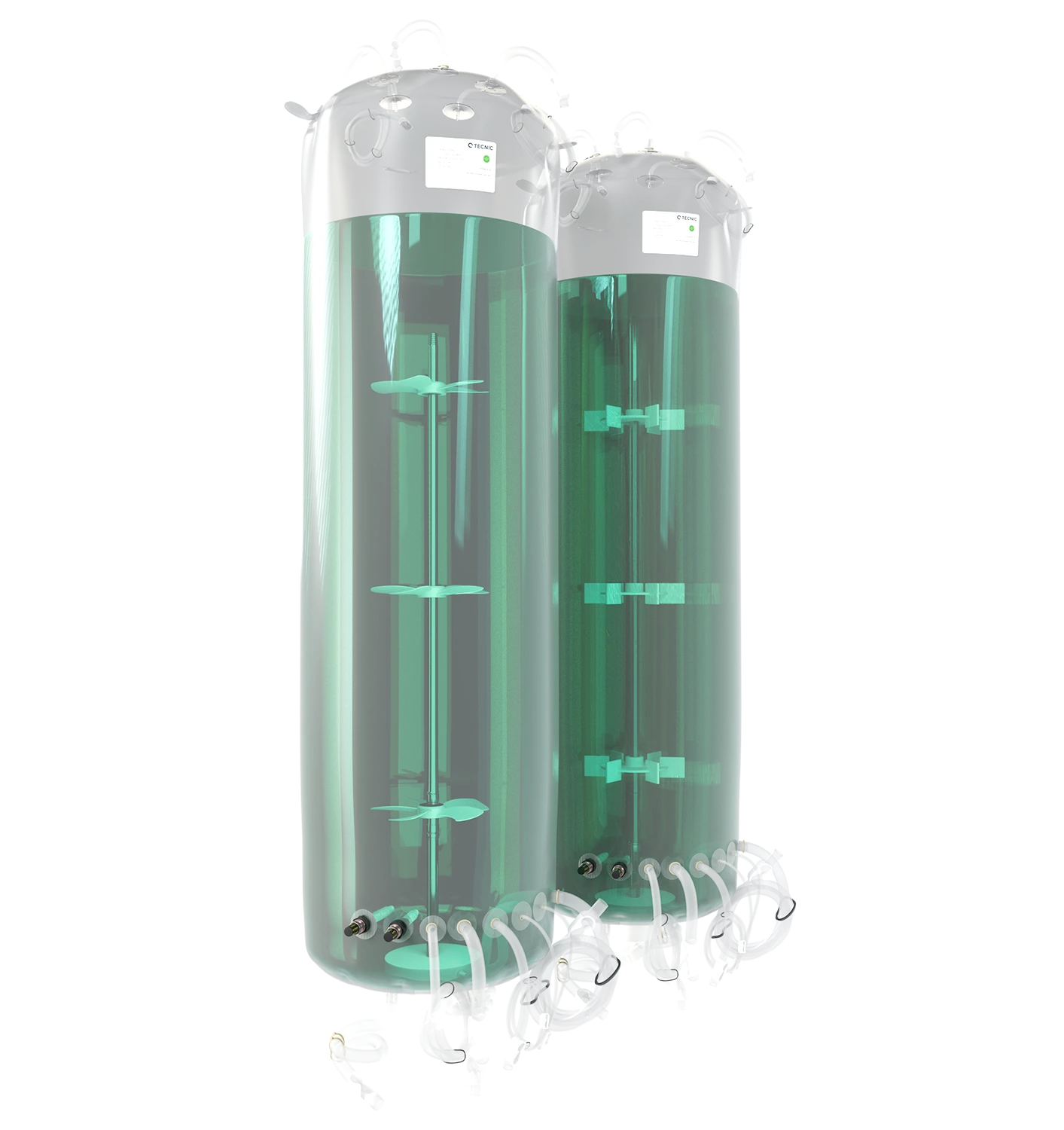
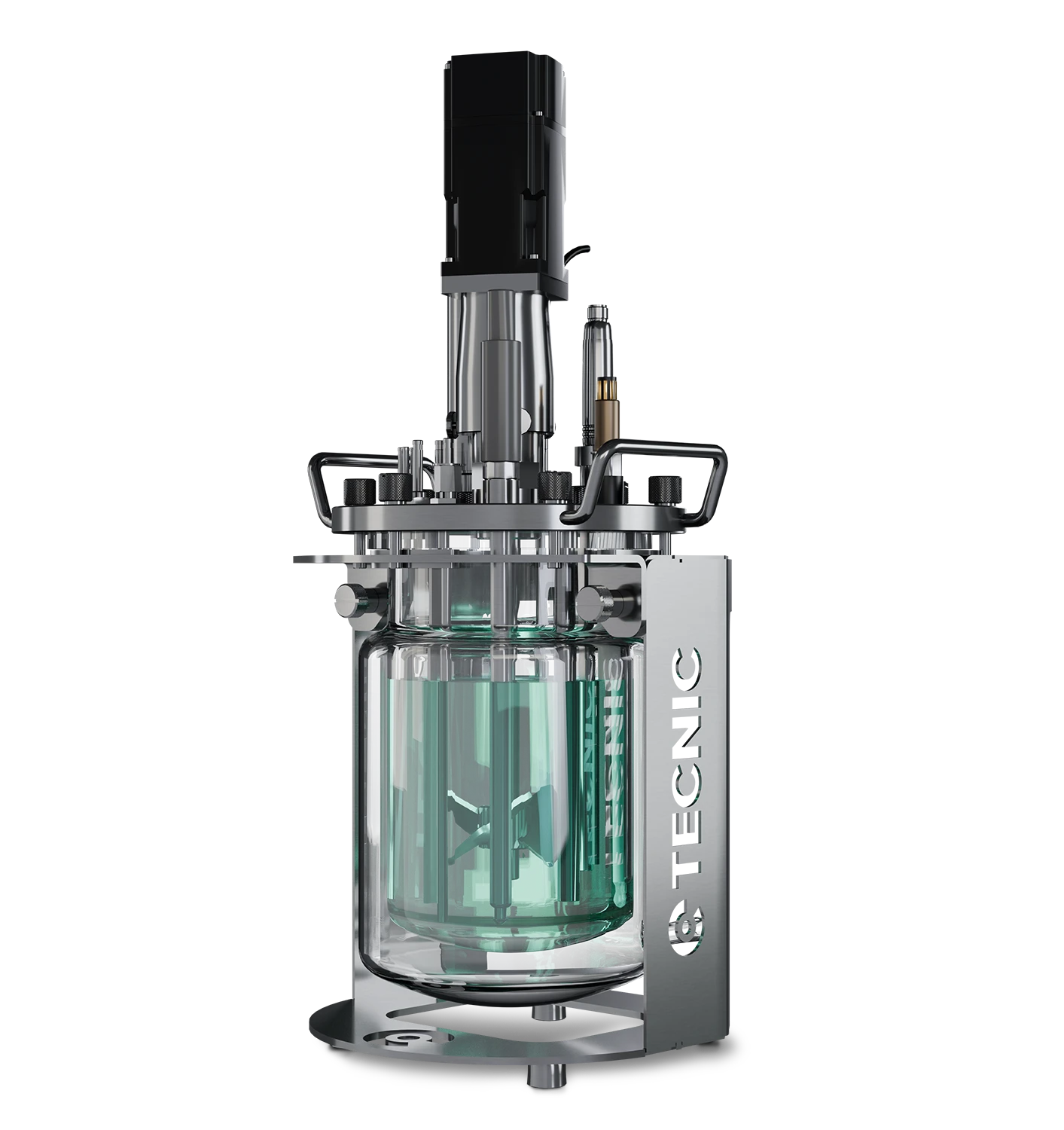
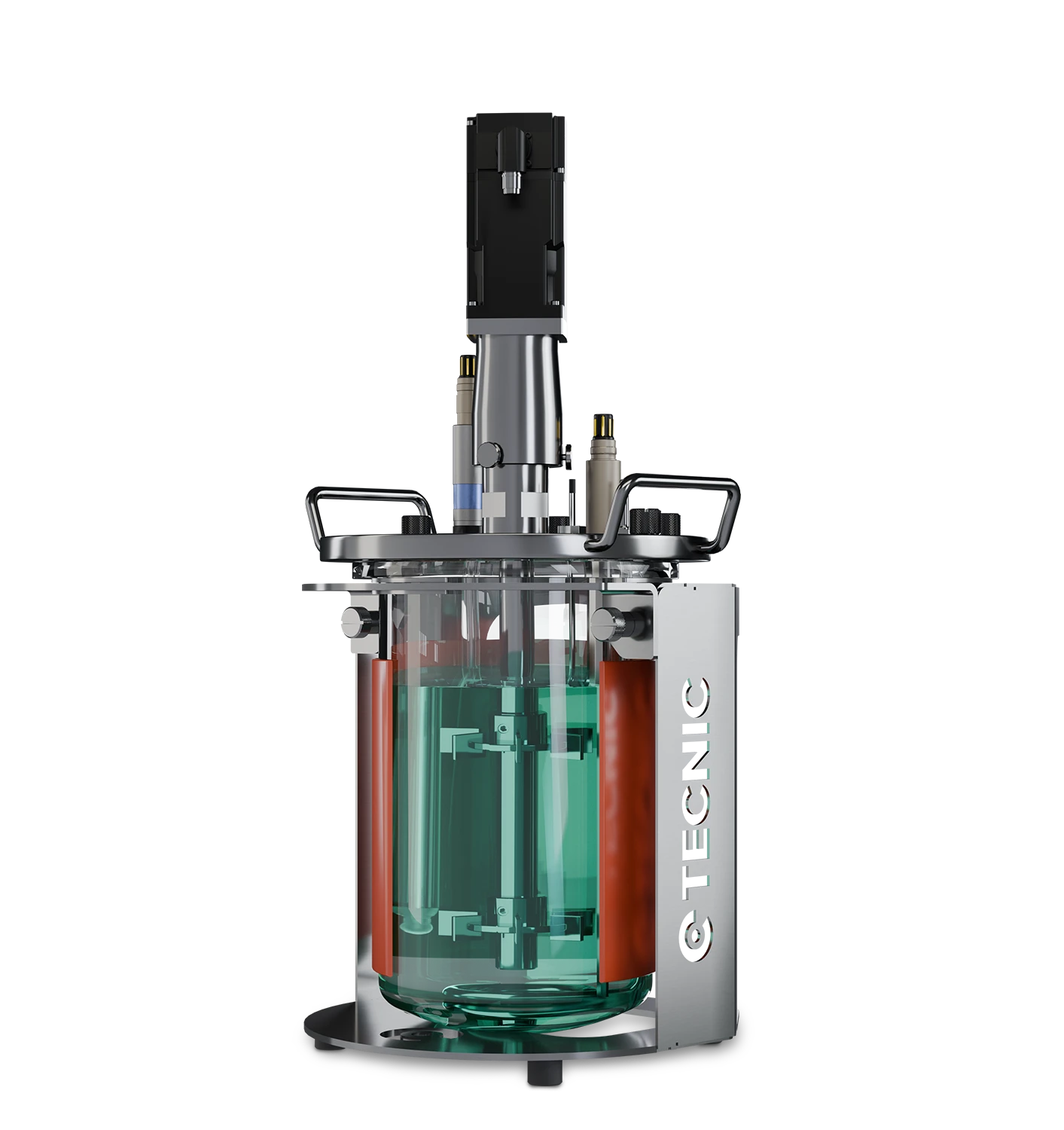
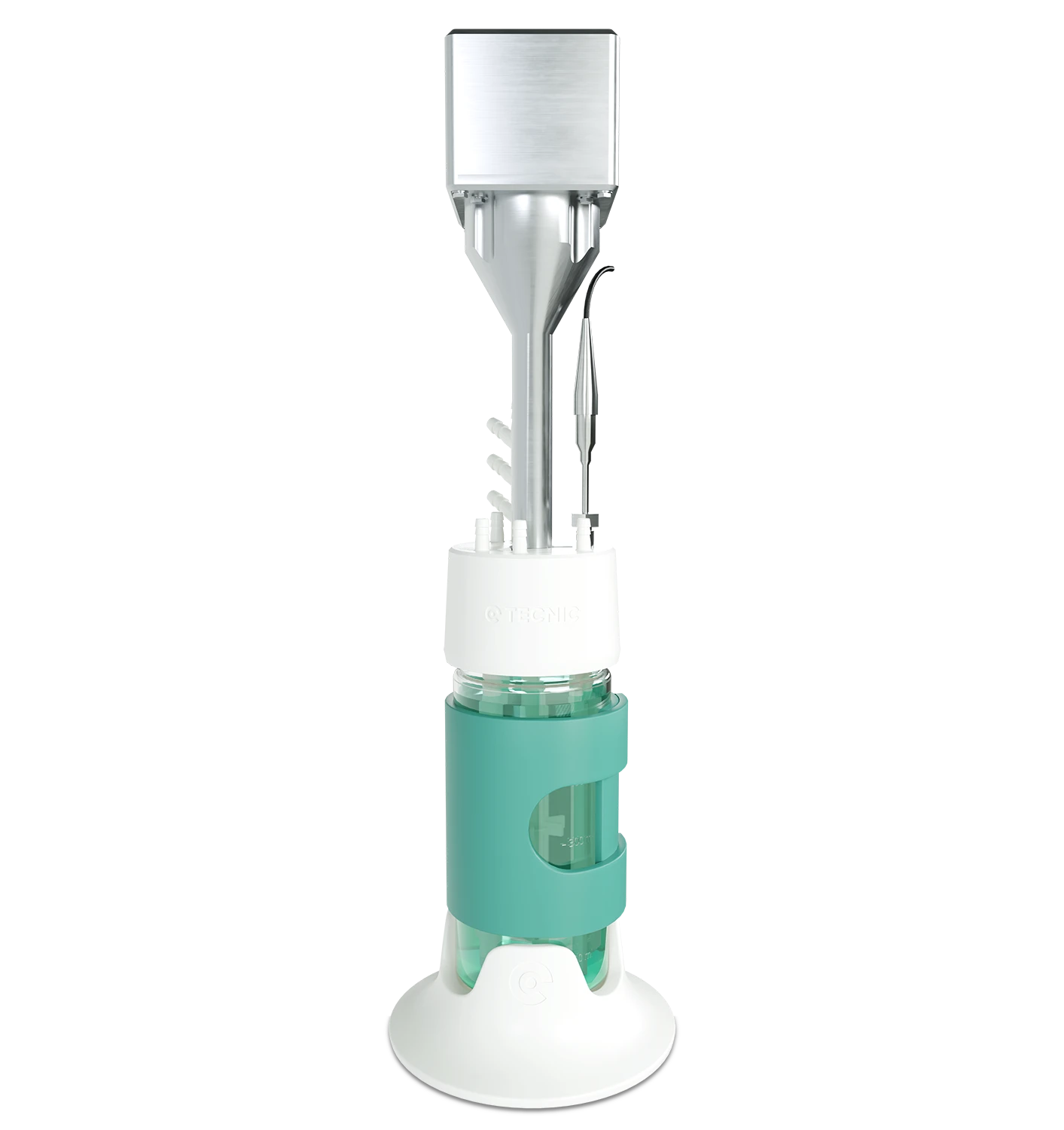
Bioreactors
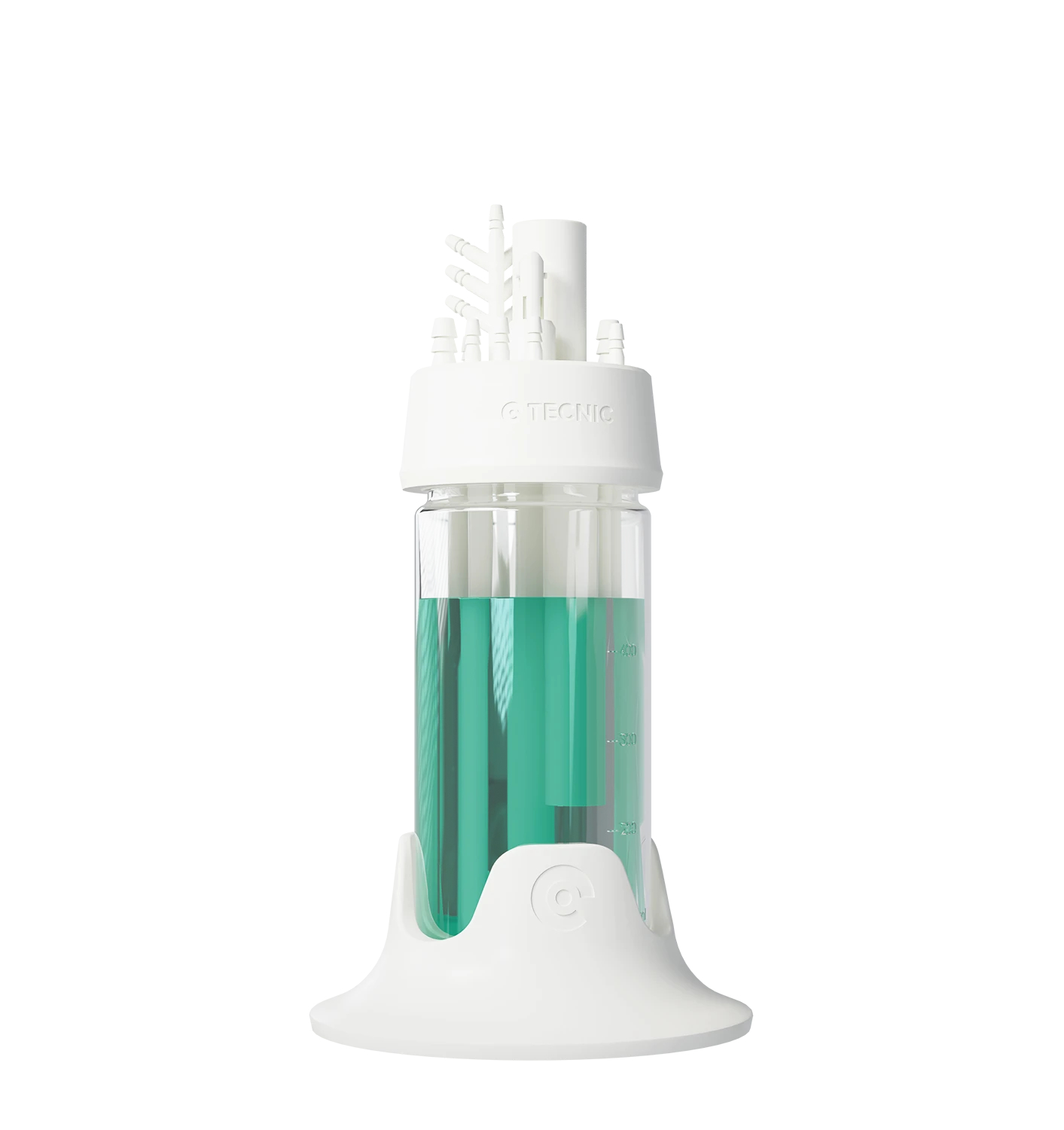
Relevant when biological systems or microorganisms need controlled development under defined process conditions.
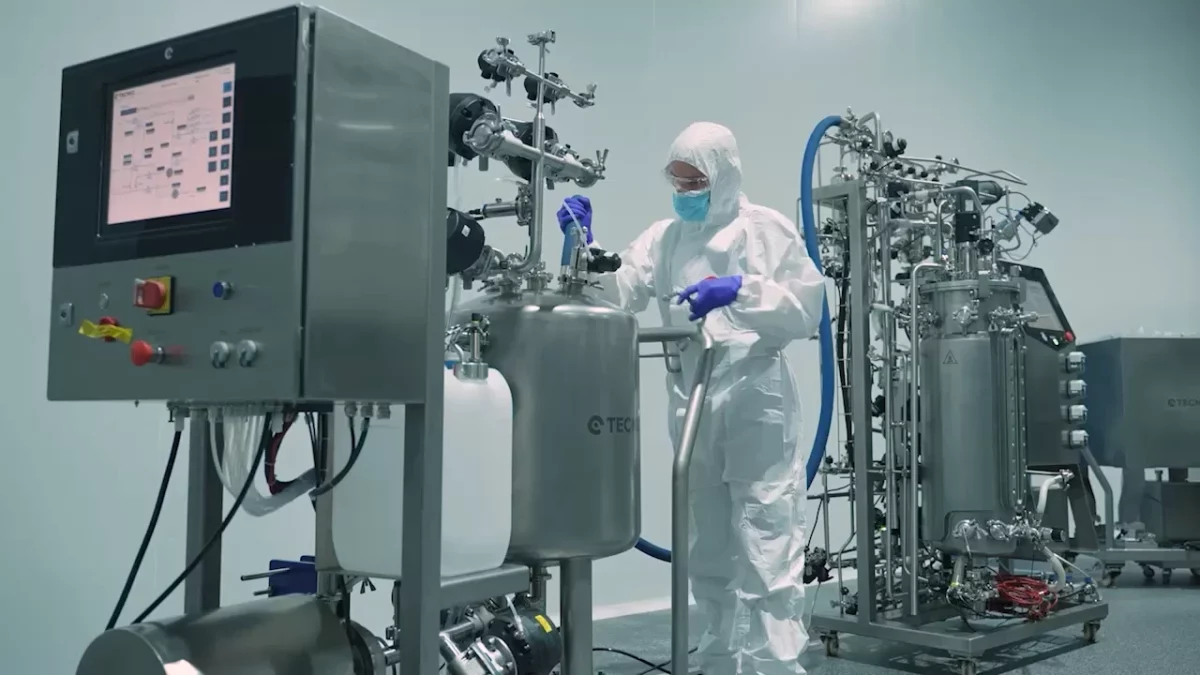
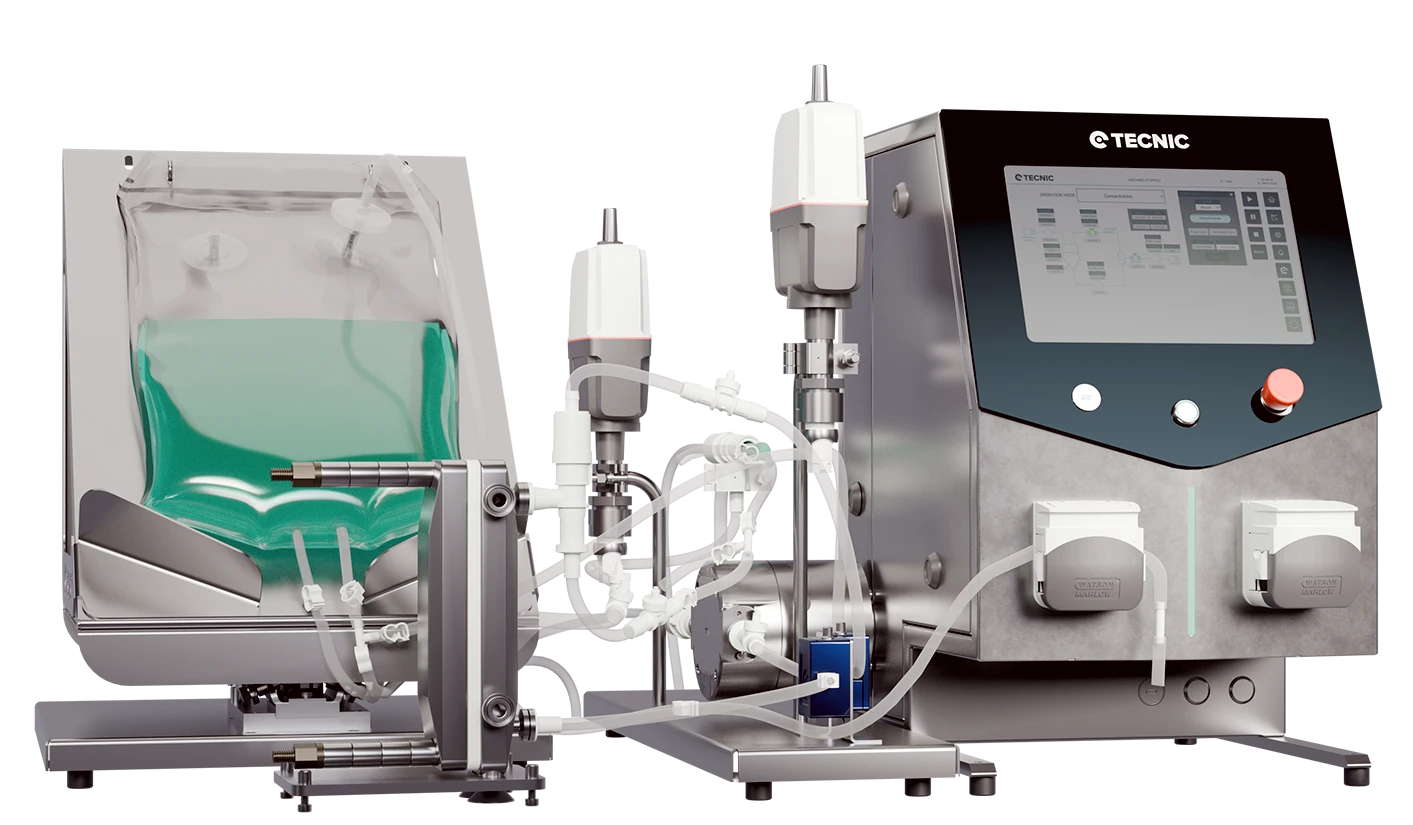
Laboratory equipment
Useful for early-stage biotechnology projects where adaptation, screening and process control need to be studied carefully.
Process development context
Brown biotechnology still depends on turning complex biology into a manageable and reproducible workflow.
Contact TECNIC
When challenging biological environments require stronger process control, direct technical discussion is more useful than broad theory alone.
This article works best when brown biotechnology is framed as a resilience field shaped by drought, soils, biodiversity and long-term adaptation.
Frequently asked questions
What is brown biotechnology?
It is the branch of biotechnology focused on arid and desert regions and on making drylands more resilient and productive.
What is brown biotechnology used for?
It is used for drought-tolerant crops, soil restoration, biofertilizers, water-efficient agriculture and ecological recovery in dry areas.
Why is brown biotechnology important?
Because drought, desertification and poor soils are growing global challenges that affect food security and ecosystem stability.
Is brown biotechnology the same as green biotechnology?
Not exactly. It is closely related, but it focuses specifically on arid, desert and semi-arid environments.
What is the biggest challenge in brown biotechnology?
One major challenge is creating solutions that improve productivity without breaking the ecological balance of fragile dryland systems.
Exploring how resilient biotechnology connects with controlled process development?
Explore TECNIC’s bioprocess solutions or speak with our team to review the right setup for reproducible biological workflows in challenging environments.